Continue to Develop Differentiated Products in Energy Niche


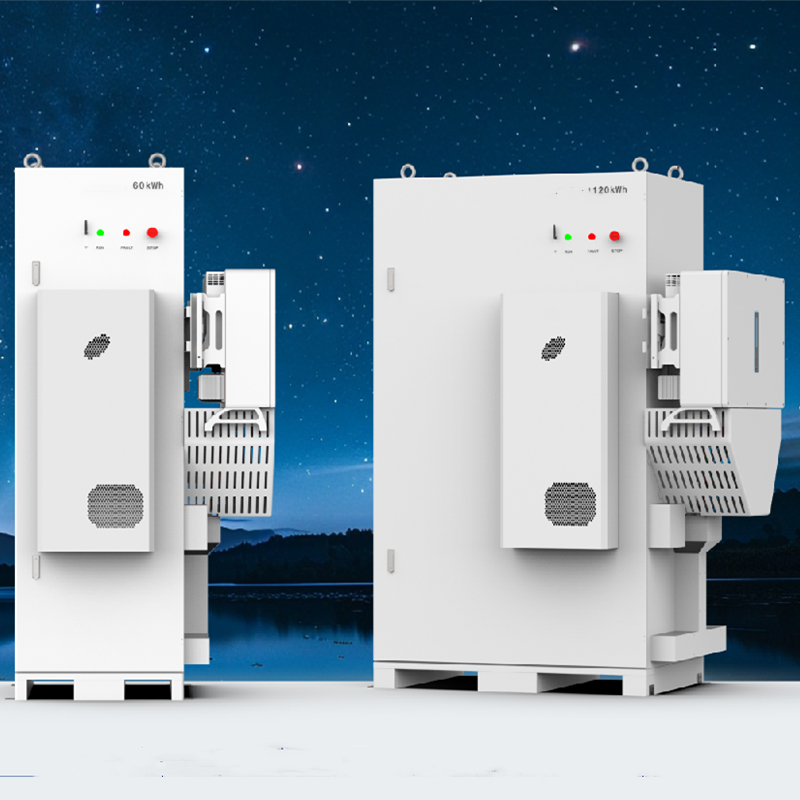
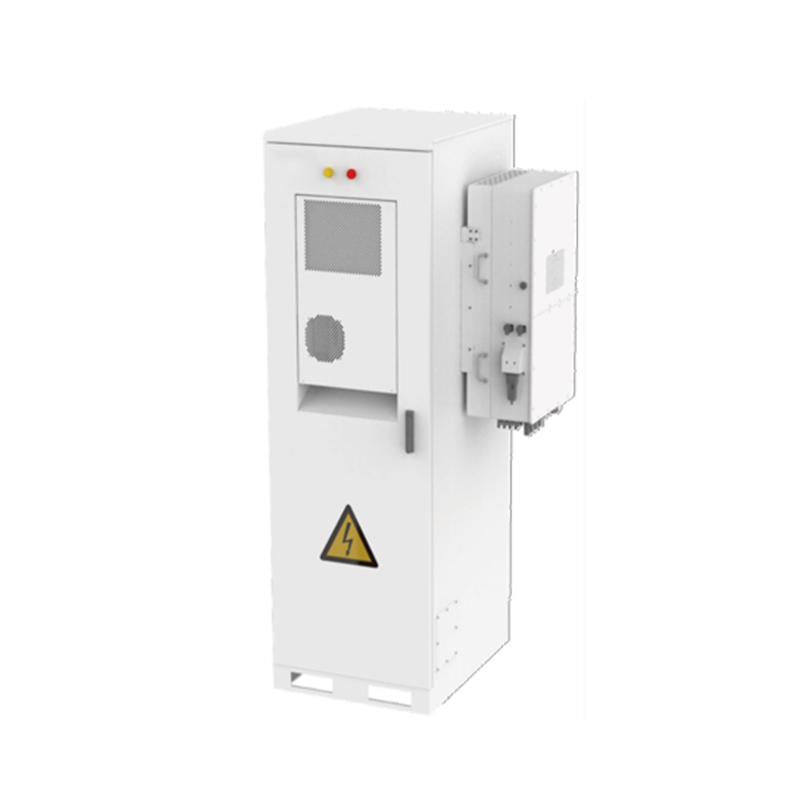
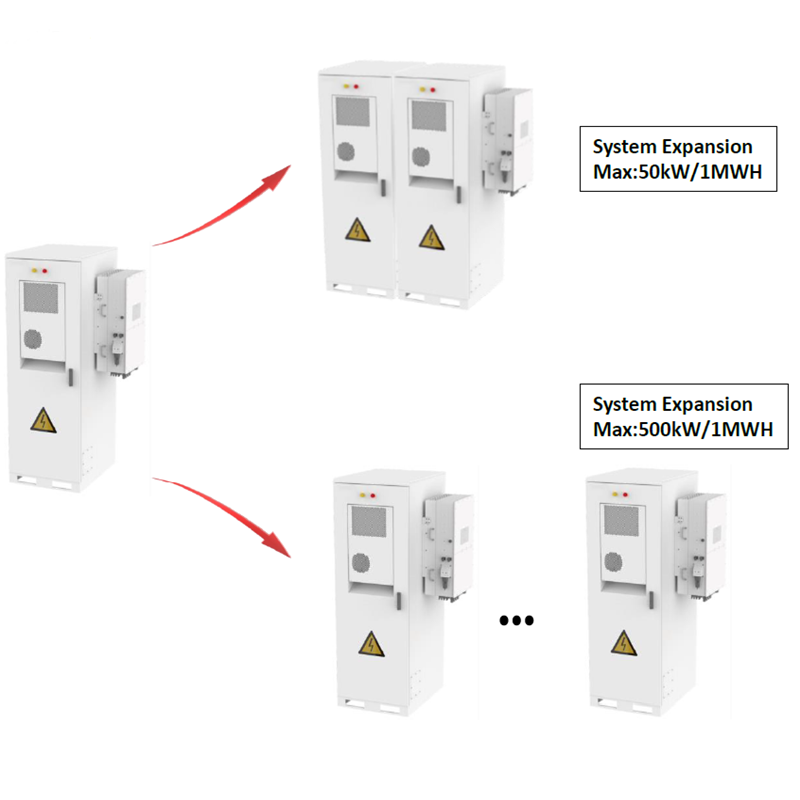
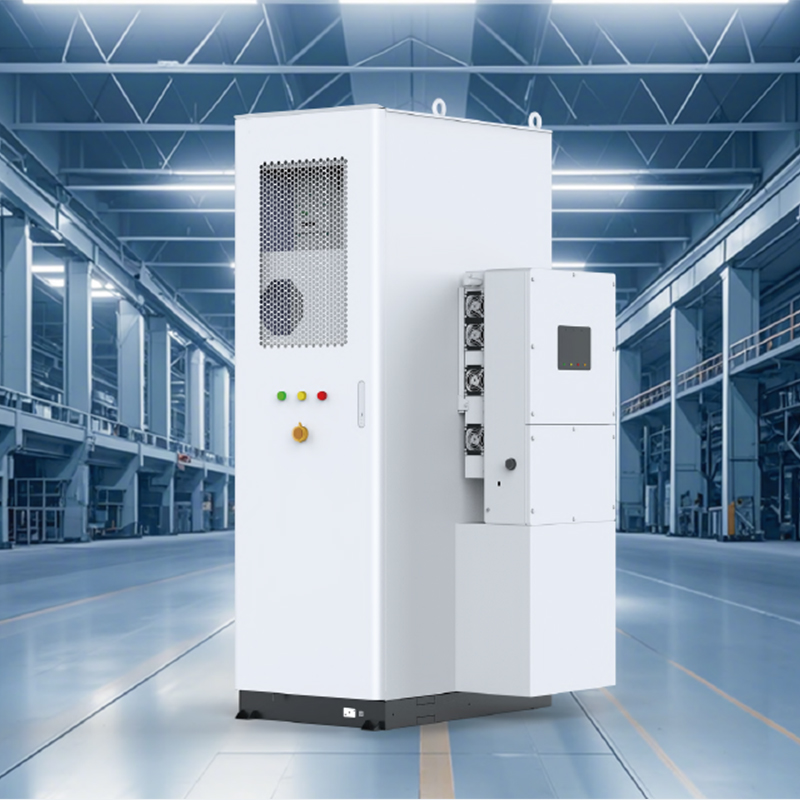
50kW 100kWh Distributed Energy Storage System for Commercial Applications
This 50kW 100kWh distributed energy storage system is built for small-to-medium commercial loads requiring stable backup power and efficient energy management. It features a modular battery design and intelligent control, making deployment simple for distributors, installers, and EPC project teams.
With flexible configuration, scalable capacity, and smart BMS/EMS integration, this commercial ESS supports backup power, peak shaving, load shifting, and PV integration, ensuring reliable operation for cafés, gyms, retail stores, schools, clinics, data rooms, and small manufacturing facilities.
local services, guaranteeing from concept to commissioning to the most reliable operation and maintenance services
In-depth market analysis and needs assessment
Tailored system configuration and cost estimation
Comprehensive training and guidance materials
Localized on-site service and spare parts availability
FEATURES

Efficient
Advanced electrical technology with up to 97.6% efficiency
User-friendly
Easy to install and simple to use
Grid-support (grid-following) & grid-forming
All-in-one
highly integrated, supports storing energy from a diesel generator.
Max. 10 pcs parallel for on-grid and off-grid operation;
Reliable
IP55 protection degree for outside installation
Independent design of the electrical structure and battery system
Intelligent
Smart BMS and EMS support OTA firmware and software updates
Supports Time-of-Use (TOU) tariff management to save cost with peak-valley
PRODUCT INFORMATION
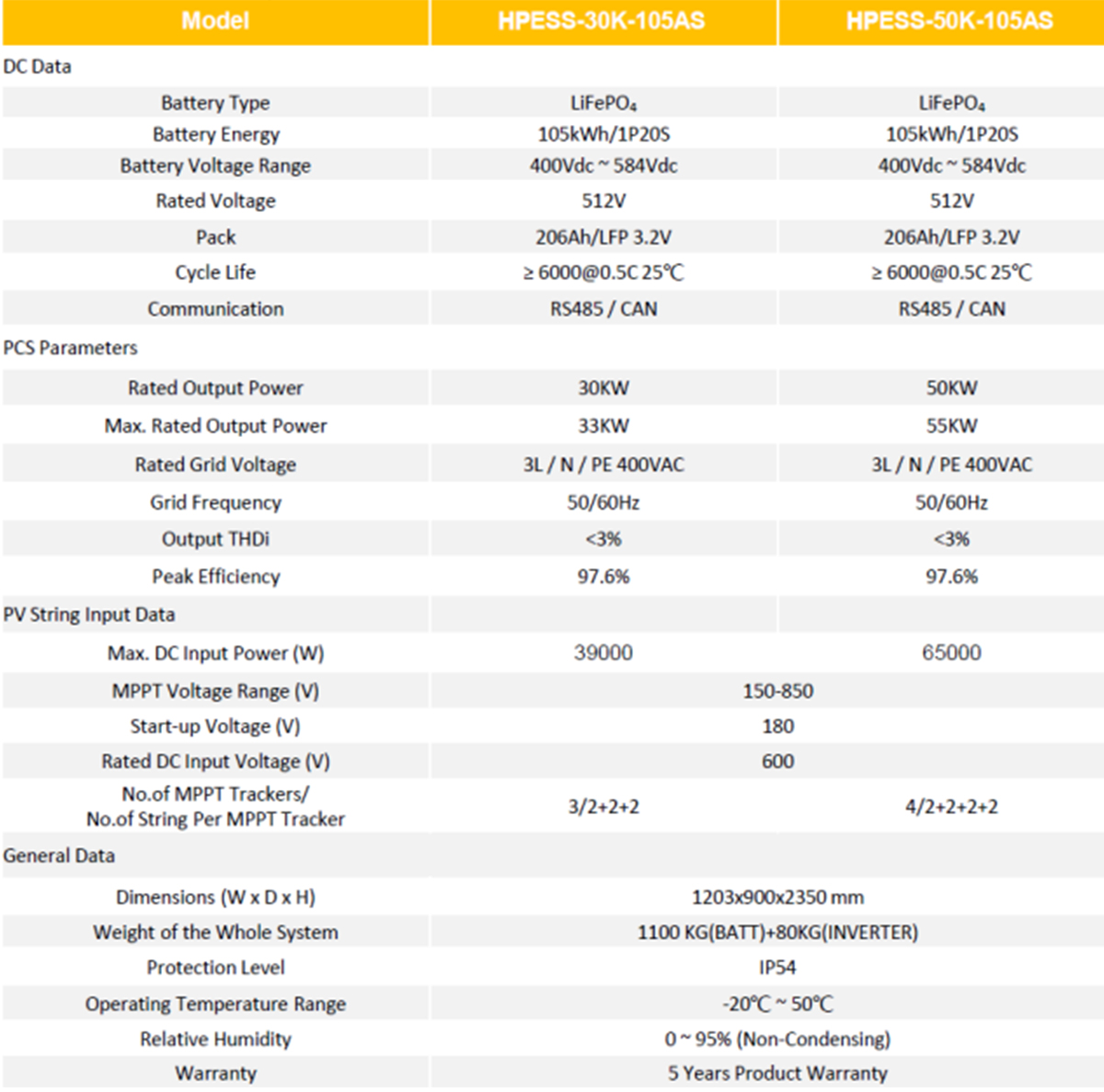
Battery Specification
How to Fully Understand Your Energy Storage Project Requirements?
Follow our 5 steps to build your energy stystem from concept to implementation
1. Provide Installation Site and Environmental Requirements
For example:
- Altitude and potential derating issues
- Coastal locations with salt-mist protection needs
- High or low ambient temperature conditions
Understanding these factors in advance allows us to make the right design choices and prepare for necessary certifications.
2.Provide Clear Technical Specifications
List outs the loads, the electricity usages, working days and weekends, different seasns etc.
Loads curves and electricity bills etc.Understand the inrush current, maximum instantaneous power, and load startup requirements.
Such as:
- Power and capacity (kW / kWh)
- AC side voltage and frequency
- Battery voltage range and battery type
- Charge/discharge rate requirements
Clear technical requirements enable us to select the proper configuration and ensure seamless integration and production.

3.What type of energy system is connected to the grid? Or totally off-grid system?
- Is the system grid-connected, off-grid, or hybrid (on/off-grid)?
- If hybrid, will switching be manual or automatic?
- Are there other energy sources such as PV, wind turbines, or diesel generators?
- For PV systems, is the connection DC-coupled or AC-coupled?
Clarifying these points allows us to design the system topology accurately.
4.What Is The Operating Modes of the Energy Storage System
Based on the topology, we will discuss the expected functions and operating logic, such as:
- Self consumption
- Peak shaving and valley filling
- Demand management
- Participation in energy trading
- Integration with third-party EMS platforms
- Logic of on/off-grid switching
Once these are defined, we can estimate the system’s potential economic benefits.
5.Finalize project Supply Scope, Performance Targets, and Delivery Details
The supply scope and performance specifications
Delivery schedule and location
Electrical design, site layout, and construction drawings
Collect information again for installation
With these steps, your energy storage project moves smoothly from concept to implementation.
If anything is unclear, we will provide you a form to fill out to collect all necessary information, or shcedule a call for clarification.
Highlight:Once you choose us as your supplier, our engineers will visit your site to confirm requirements, design the solution, and guide the full installation process.
Projet and Solution Cases
The system capacity can be flexibly configured and expendable or update in the future.


Once Project Proposal ---for Hybrid Energy Storage System
1. Known Data
| Item | Description | Value |
|---|---|---|
| Peak Load Power | Maximum simultaneous load | 234 kW |
| Daily Energy Consumption | 234 kW × 12 h | 2,808 kWh/day |
| System Losses Considered | 20% total (PV, inverter, cable, etc.) | — |
| Required PV Generation | 2,808 ÷ 0.8 | 3,510 kWh/day |
2. PV System Sizing (Based on 6.5 Peak Sun Hours)
Required daily generation (after system losses): 3,510 kWh/day
Effective Sun Hours (PSH): 6.5 h/day
Calculated PV Installed Capacity (DC):
3,510 ÷ 6.5 = ≈540 kW (DC)
Recommendation:
To ensure stable generation under cloudy conditions and allow for degradation, it is advised to install 550–600 kW (DC).
DC/AC Ratio: 1.5
→ Required Inverter Capacity (AC): 540 ÷ 1.5 = 360 kW (AC)
3. Inverter Configuration
Theoretical Capacity: 360 kW (AC)
Recommended :Total capacity 360–400 kW (AC)
Suggested combinations:
• 2 × 200 kW units, or
• 3 × 125–150 kW units
4.Battery Capacity Calculation
Design Requirement: 4-hour discharge at full load (234 kW × 4 h = 936 kWh)
Assumptions:
| Parameter | Value |
|---|---|
| Battery round-trip efficiency | 90% |
| PCS / Inverter efficiency | 95% |
| Depth of Discharge (DoD) | 80% |
Effective Factor: 0.90 × 0.95 × 0.80 = 0.684
Nominal Battery Capacity: 936 ÷ 0.684 = ≈ 1,368 kWh (≈ 1.37 MWh)
Recommendation: To compensate for capacity fade and ensure long‑term reliability, install 1.4 – 1.5 MWh (nominal capacity).
It is advisable to specify in the contract that acceptance is based on usable capacity after degradation.
5. Discharge Rate (C-rate) Verification
Parameter | Value |
Continuous Discharge Power | 234 kW |
Nominal Capacity | 1,368 kWh |
Calculated C-rate | 234 ÷ 1,368 = 0.17 C (≈1/6C) |
Conclusion:
The discharge rate is low, which ensures high system reliability, low thermal stress, and extended battery lifetime.
More cases

Off-grid system: PV, ESS and Diesel Generator

Hybrid System/on-off grd system: PV, ESS,Diesel Generator And Mcro-grid control system
Warranty/Compliance/ Service
Warranty: standard 5 years, extendable to 10 years.
Compliance: certificated and compliant with your region regulation.
Services: fast response, fast delivery, training for installation and on-site support available.
To better serve you, we are gradually establishing local teams and warehouses overseas.
Our highly competitive products can help you stand out in a competitive market.